
October 1, 2026
/
Common Signs and What Homeowners Can Do
A tree rarely goes from healthy to dead overnight. More often, the decline happens slowly. Leaves get thinner, branches stop growing the way they used to, or sections of the canopy begin dying back.
The difficult part is that several different problems can look similar from the ground. If a tree on your property seems to be struggling, understanding the possible causes can help you decide what to do next.
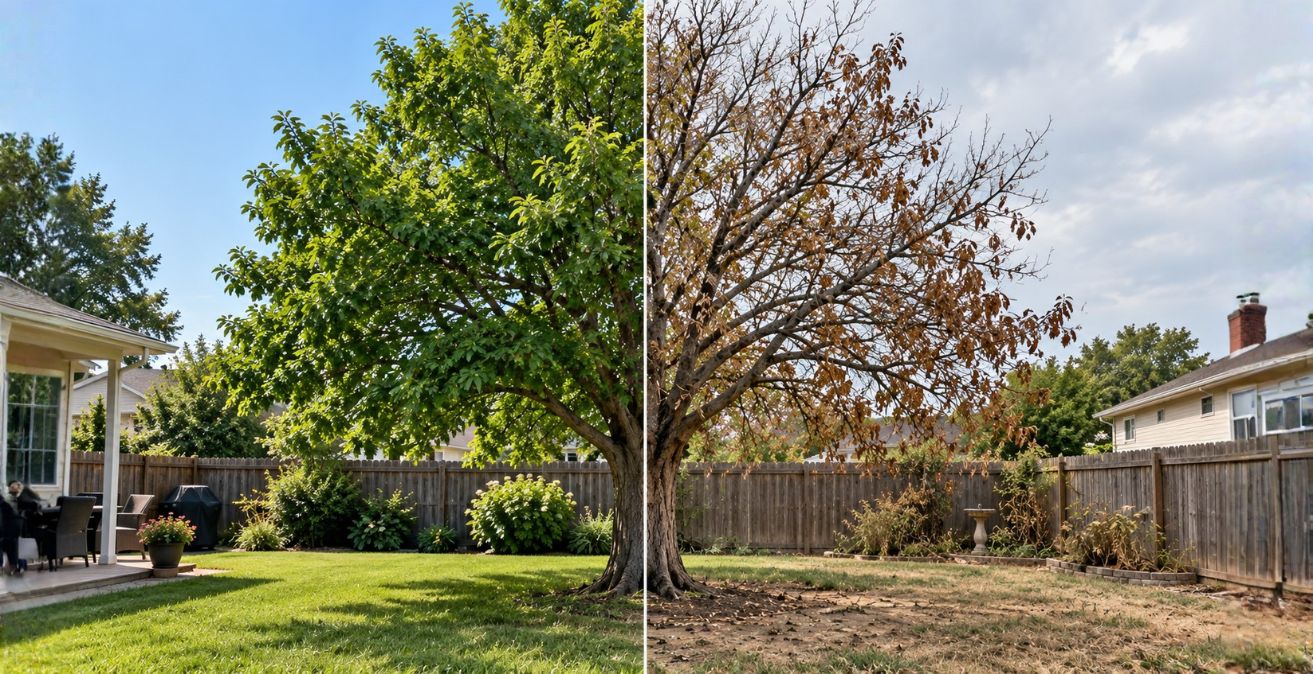
Why Trees Start to Decline
Trees can become stressed for many reasons. Heat, drought, storms, soil conditions, root damage, insects, and disease can all play a role. Construction or changes around the root zone may also affect a tree long after the work is finished.
Sometimes there isn’t one single cause. A tree may already be stressed by poor growing conditions and then have a harder time recovering from pests, weather, or other damage.
That’s why treating the first symptom you notice doesn’t always solve the real problem.
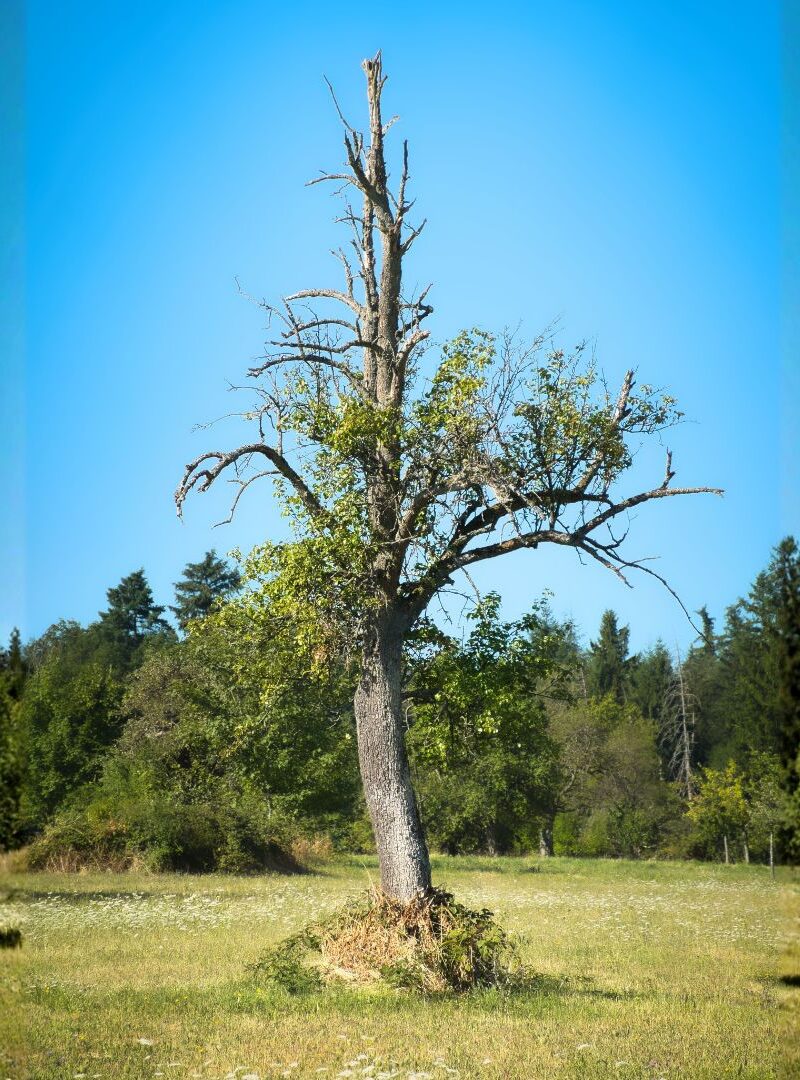
Signs Your Tree May Be Struggling
Keep an eye out for changes such as:
A thinning canopy or fewer leaves than usual
Dead branches or sections of the crown
Slow or unusually weak new growth
Leaves changing color earlier than expected
Repeated insect or disease problems
Cracks, broken limbs, or visible damage
A sudden lean or soil movement near the base
These signs don’t automatically mean the tree needs to be removed. They do mean it may be worth taking a closer look.
Why Early Evaluation Matters
A declining tree can affect more than the way your yard looks. Deadwood, weakened branches, and structural changes may become more important when they’re above a driveway, roof, walkway, fence, or another area people regularly use.
An evaluation can also help separate a tree that may benefit from pruning or Plant Health Care from one that needs monitoring or removal.
The right recommendation depends on the tree, the site, and what’s happening around it.
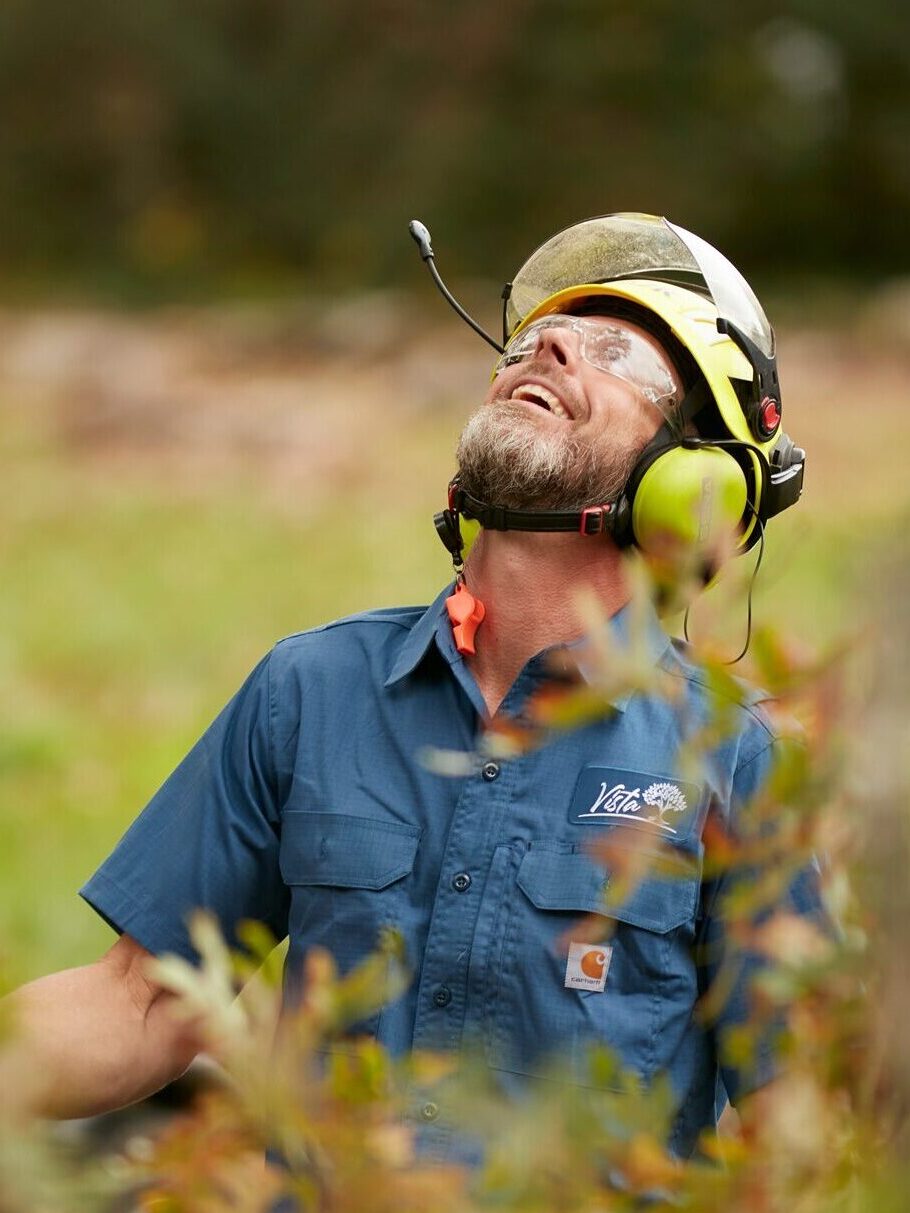
When to call Vista Urban and Rural Landscapes
If a tree continues to lose leaves, develops dead branches, suddenly changes after a storm, or simply looks different from year to year, it’s worth having someone evaluate it.
You don’t need to diagnose the problem yourself. Start with what you’re noticing and let the condition of the tree and property guide the next step.
If a tree on your property looks “off,” Vista URL can walk the site, talk through what you’re seeing, and help you build a practical plan. Schedule a free consultation to find out what your tree may need next.
Call 336-475-8733 for a free estimate or email us through the Contact page.
Request a Quote Today

Request A Free Quote
If you are in need of a particular service line or if you are not sure exactly what you need but have an idea of what you want to achieve, give us a call or fill out our form. We can set up a time and date to meet and discuss your property and its possibilities.