February 11, 2026
/
Is Your Tree Okay? 7 Early-Spring Signs It Needs Help (or Removal)
March is when we start hearing the same question in a dozen different ways: “Is this tree…okay?” Maybe it didn’t leaf out the same last year. Maybe you noticed mushrooms at the base. Maybe a storm took a chunk out of the canopy and now the whole thing looks lopsided. The honest answer is: sometimes a tree needs to come down, and sometimes it needs a smarter plan. Let’s walk through how to tell if a tree needs to be removed—especially before spring growth ramps up.
What’s Happening + Why It Matters
Before leaves fully return, you can see structure clearly: crossing limbs, deadwood, old storm breaks, and how weight is distributed. That makes early spring a great time for a visual inspection and a “save vs. remove” decision.
It’s also a good time to remove dead limbs. Deadwood doesn’t heal—it breaks, and it’s one of the easiest hazards to miss once a canopy fills in.

How to Tell If a Tree Needs to Be Removed This Spring
Start with a calm, ground-level assessment. You don’t need a ladder for this part.
- Look up: obvious deadwood (no buds, brittle twigs, bark falling off)?
- Look at the trunk: fresh cracks, long vertical splits, sunken areas, oozing?
- Look at the base: soil heaving? shelf-like fungi or mushrooms?
- Look for change: a tree leaning more than it used to deserves attention.
- Consider the target: risk is different over a driveway than in the far back corner.
A red-flag example from Integrated Pest Management guidance: if a tree has shelf fungus and oozing cracks, it may have internal decay and could require removal—especially if it’s near a patio or another high-use area..
When it can often be saved
Many trees can be saved when the issue is manageable and the structure is still sound. Common “save it” paths include:
- Selective pruning to remove dead or rubbing limbs and reduce stress on weak unions
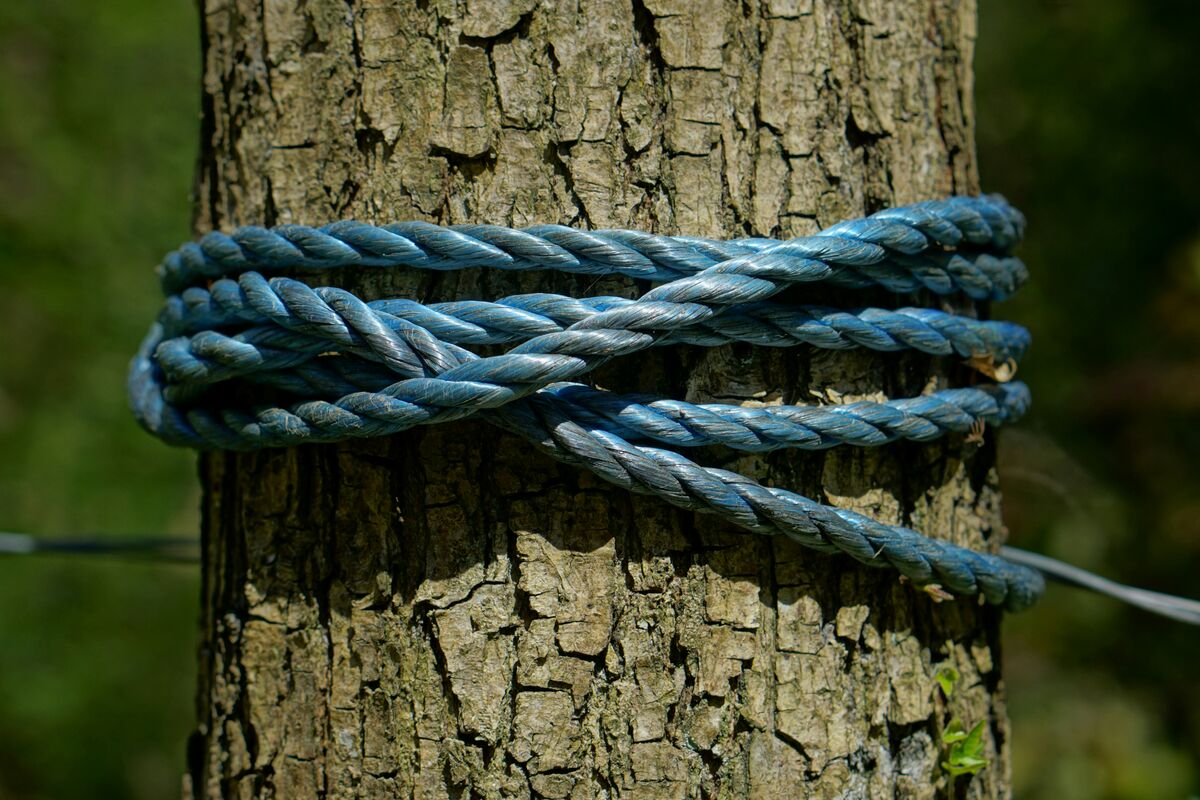
- Cabling and bracing to support a structurally compromised tree and reduce failure risk
- Plant Health Care: improving soil conditions, addressing pests or disease early, supporting vigor
The goal isn’t to make the tree “perfect.” The goal is to make it safer, healthier, and more predictable.
When to Call a Pro
If you’re unsure how to tell if a tree needs to be removed, these red flags usually mean it’s time for a professional evaluation. Call a tree care professional when any of these are true:
- The limb is over your house, driveway, or a spot where people park or play.
- You see cracks, a split trunk, or a major limb that looks partially failed.
- The work requires climbing, rigging, or cutting large limbs in sections.
- The tree needs structural pruning (not just “take a little off the ends”).
- You want a plan—some trees can be supported with cabling or bracing instead of being heavily reduced.
A good contractor conversation should include a clear scope of work and the standards the crew will follow.
What to Expect When Working with Vista URL
When you call us for a “remove or save” question, we don’t start with a chainsaw—we start with an evaluation.
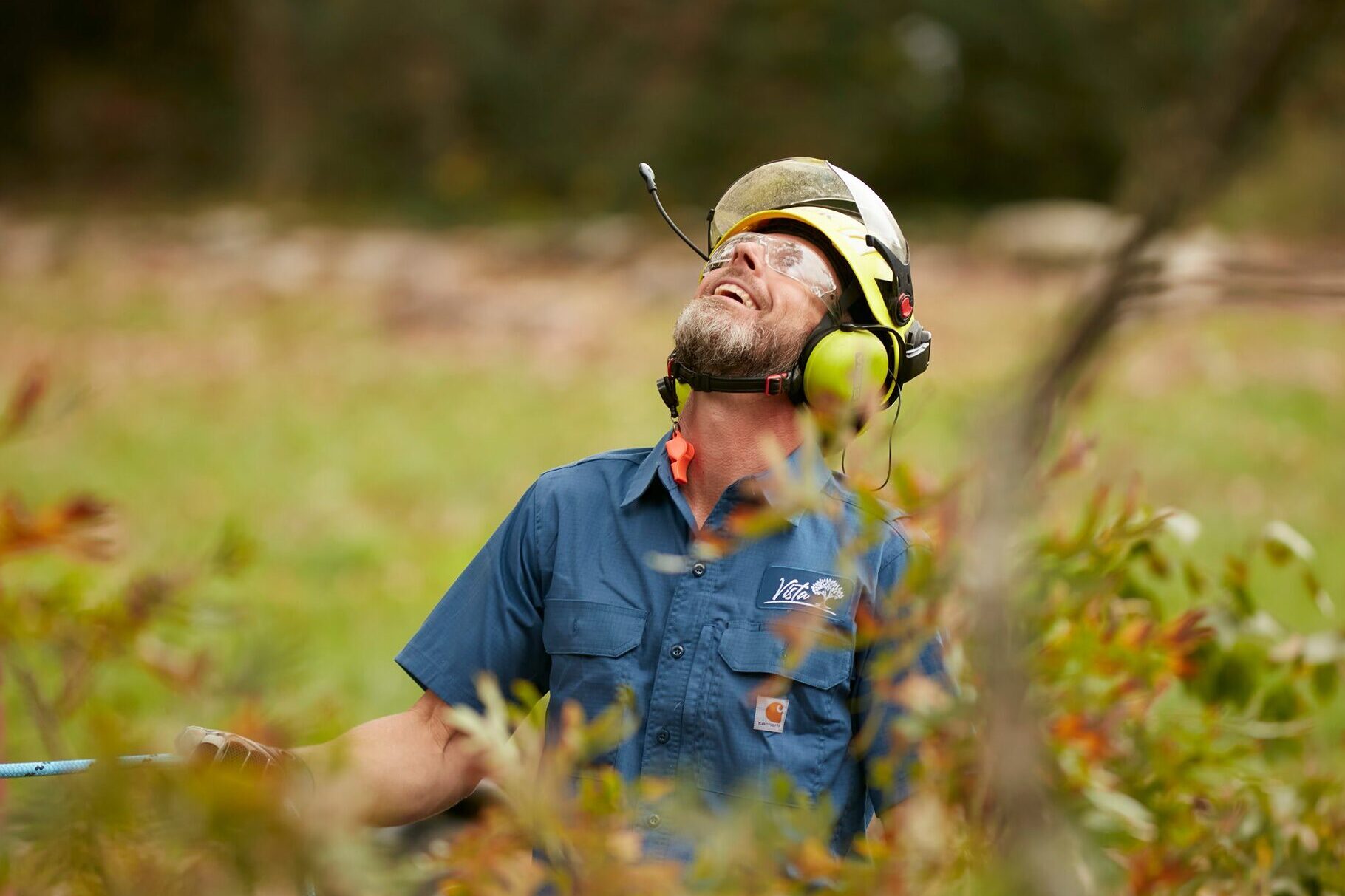
Our ISA Certified Arborists can perform tree risk assessments and recommend mitigation steps. That might be pruning, cabling and bracing, Plant Health Care, or removal and stump grinding when the risk is too high. If you’ve got storm-related hazards, we also offer 24/7 emergency tree service.
We prioritize safety, we’re fully insured, and estimates are free. Fully insured, and estimates are free.
Other Commonly Asked Questions
If a tree has mushrooms at the base, does it have to come down?
Not always, but fungi can signal decay—especially in high-use areas.
Can a leaning tree be corrected?
Sometimes. The key is whether the lean is stable and whether the root system is intact.
Is deadwood always an emergency?
It depends on size and location. Dead limbs over homes, driveways, or play areas should be prioritized.
What’s the benefit of a formal risk assessment?
It gives you a documented, prioritized plan instead of guesswork.
Can you remove one risky limb instead of the whole tree?
Often, yes. Selective pruning or structural support can reduce risk when the tree is otherwise healthy.

Request A Free Quote
If you are in need of a particular service line or if you are not sure exactly what you need but have an idea of what you want to achieve, give us a call or fill out our form. We can set up a time and date to meet and discuss your property and its possibilities.