
January 20, 2026
/
The February Tree Pruning Guide: Timing, Safety, and Smart Cuts
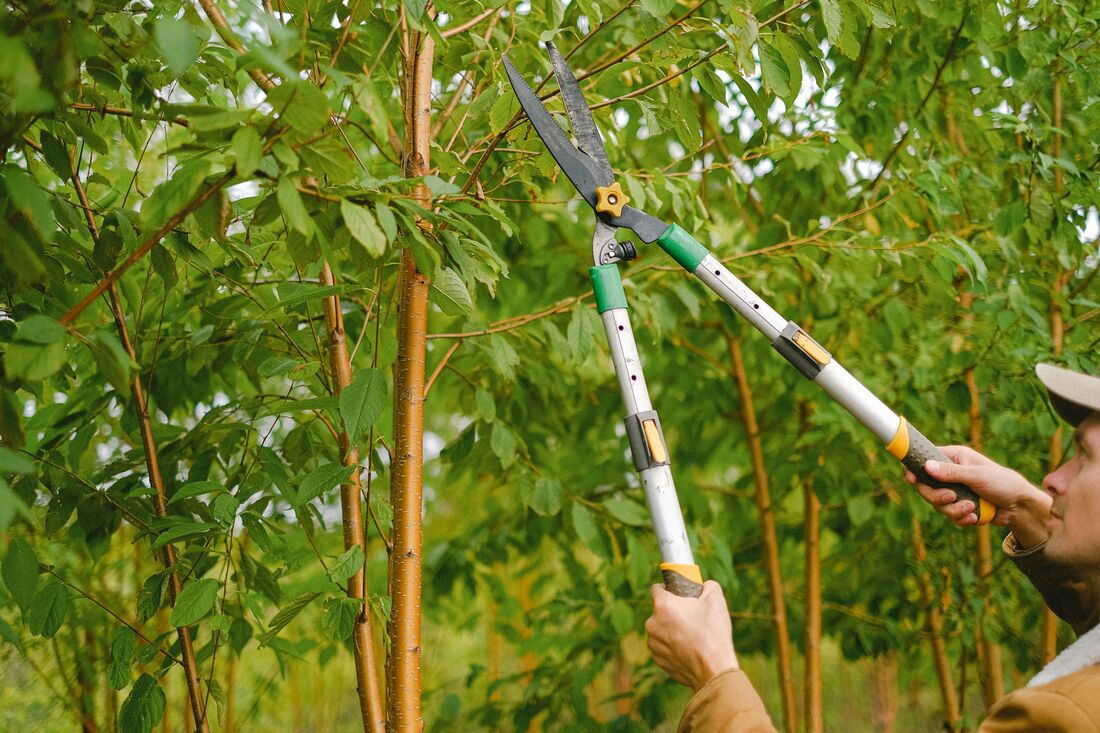
February has a way of making you notice every branch you ignored all winter. You can see the tree structure clearly, you can finally get outside, and that one limb over the driveway suddenly feels…personal. If you’ve ever looked at a ladder, a pair of loppers, and a YouTube video and thought, “I’ve got this,” you’re not alone. But why tree pruning isn’t a DIY job becomes clear the moment something shifts unexpectedly — a limb twists, wood splits, or gravity takes over. Here’s a tree pruning guide on why pruning is usually better handled by a professional—and what you can safely do on your own in the meantime.

What’s Happening + Why It Matters
Late winter is a common time to plan pruning because many trees are dormant, and you can see dead wood, poor structure, and rubbing branches more easily. But “good time of year” doesn’t automatically mean “good DIY project.”
A few pruning basics that trip people up:
- Timing matters. Dead or hazardous branches can be removed anytime, but heavy pruning in late summer or early fall can be risky for many plants.
- Flowering timing matters even more. Many spring-flowering shrubs set buds the season before. Pruning at the wrong time can remove those buds.
- “Topping” isn’t a shortcut. Heading back large limbs can trigger dense, fast growth that’s weakly attached—creating future breakage hazards.
On top of the plant-science part, there’s the plain reality: sharp tools, gravity, and unpredictable wood don’t mix well.
What To Do Next (DIY-Safe Steps)
Winter is nature’s pause button—and your chance to If you want to prep for pruning season without putting yourself on a ladder, start here:
- Do a ground-level walk-around. Look for dead branches, branches rubbing together, or limbs over the roof/driveway. Take photos so you can compare changes over time.
- Mark your concerns. Flagging tape (or a note on your phone) helps you point out exactly what you’re worried about during an estimate.
- Do only what you can reach from the ground. Small hand pruners are fine for tiny twigs—but once you’re cutting anything that requires a saw or a ladder, pause.
- Skip sealants and wound paints. Most trees manage wounds best when cuts are made correctly and left alone.
- If you’re pruning out disease, disinfect tools between cuts (isopropyl alcohol or a bleach solution are commonly used).
And one big “don’t”: don’t use a chainsaw on a ladder. That’s not a flex—it’s a fast track to the ER.
When to Call a Pro
Call a tree care professional when any of these are true:
- The limb is over your house, driveway, or a spot where people park or play.
- You see cracks, a split trunk, or a major limb that looks partially failed.
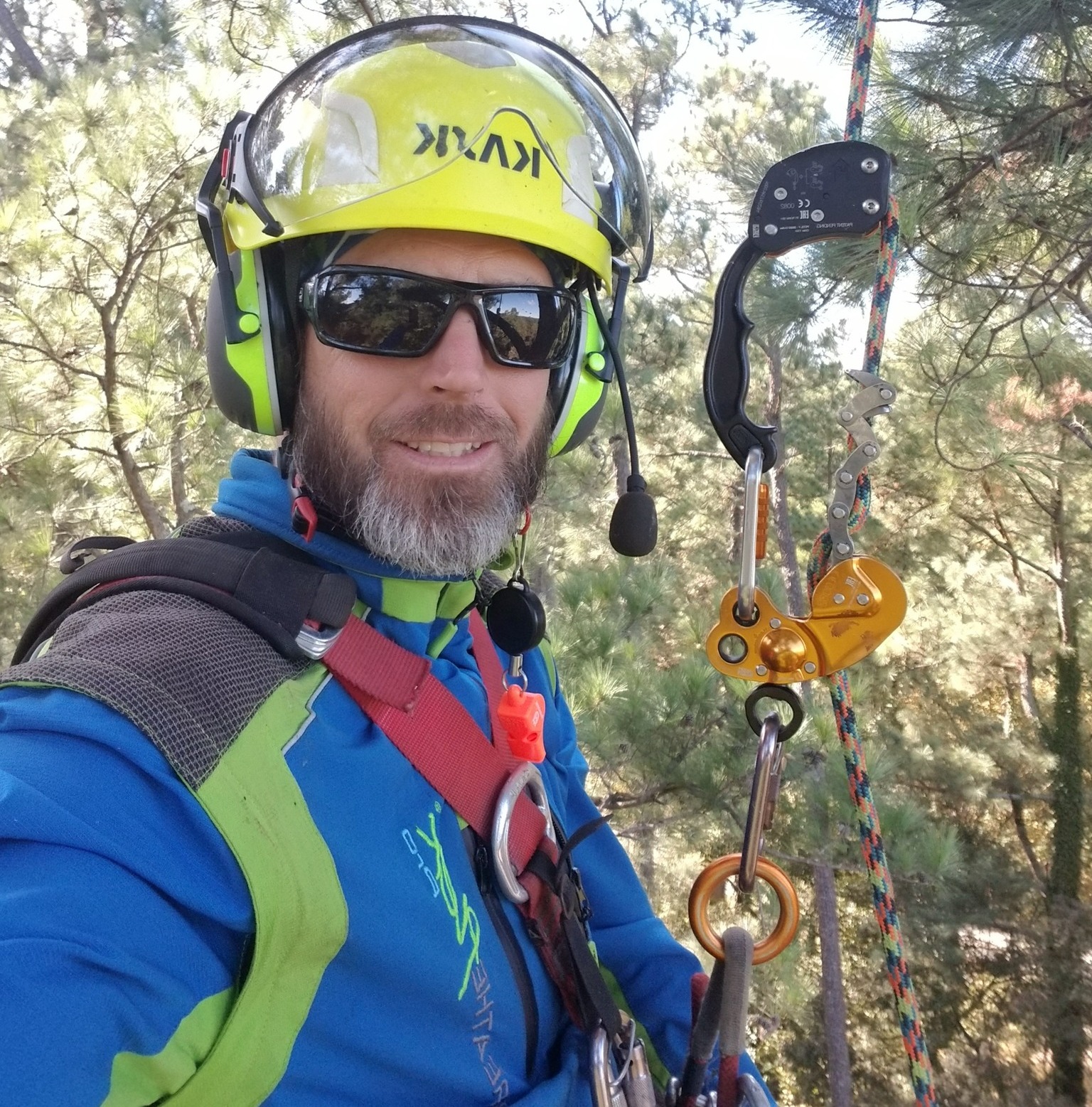
- The work requires climbing, rigging, or cutting large limbs in sections.
- The tree needs structural pruning (not just “take a little off the ends”).
- You want a plan—some trees can be supported with cabling or bracing instead of being heavily reduced.
A good contractor conversation should include a clear scope of work and the standards the crew will follow.
What to Expect When Working with Vista Urban and Rural Landscapes
When you call, we start with a conversation about what you’re seeing and what you want the tree (or the space) to do for you. Then we look at structure, health, and targets below it—rooflines, sidewalks, driveways, fences.
From there, we can recommend the right next step: tree trimming and pruning, cabling and bracing, tree risk assessment, or removal when it’s truly the safest option. We also offer emergency tree service (24/7) and stump grinding, plus Plant Health Care options like deep root fertilization, soil analysis and amendments, and insect and disease management.
Our team includes ISA Certified Arborists. We prioritize safety, we’re fully insured, and estimates are free.
When is the best time to prune?
It depends on the plant and the goal. Many trees are pruned during dormancy, but timing varies—especially for flowering shrubs.
Can I just “top” the tree to reduce height?
Topping can lead to weakly attached regrowth and increased failure risk. Better options include structural pruning or targeted reductions.
Is it okay to prune during late summer?
For many plants, late-summer/early-fall heavy pruning is discouraged (except for dead/dangerous wood).
Should I paint the cuts?
Usually no. Correct cuts are more important than sealants.
What if a branch is close to a power line?
Keep your distance and call the utility provider or a qualified professional.

Request A Free Quote
If you are in need of a particular service line or if you are not sure exactly what you need but have an idea of what you want to achieve, give us a call or fill out our form. We can set up a time and date to meet and discuss your property and its possibilities.