
June 1, 2026
/
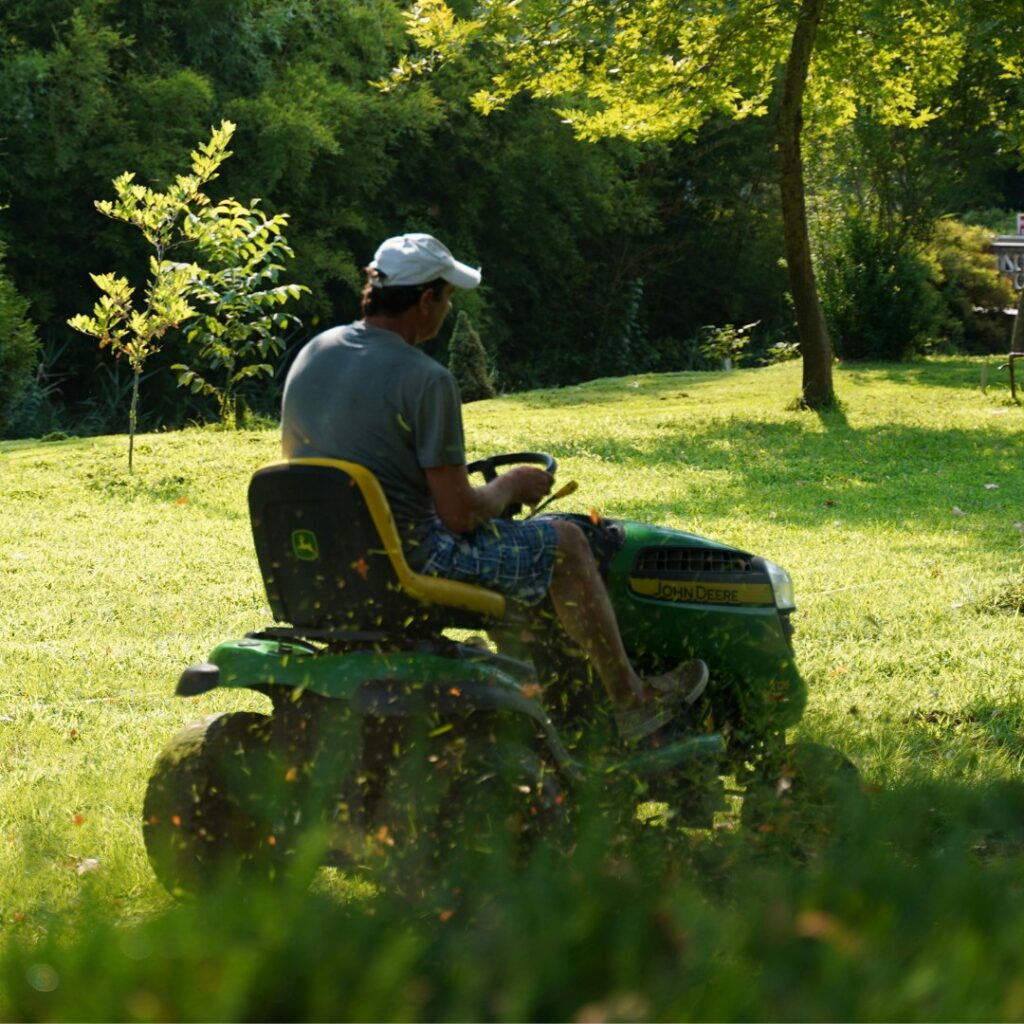
How to Water, Mow, and Mulch Without Babysitting Your Yard
June is when the yard starts asking for consistency. If spring was “clean up and catch up,” summer is “keep it healthy without babysitting it every day.”
Most summer landscape problems aren’t mysterious. They’re stress problems: heat, shallow watering, mowing too short, compacted soil, and trees trying to cope with drought while also putting on growth.
The goal isn’t perfection. The goal is a yard that can handle summer without falling apart. A good perimeter plan doesn’t have to be extreme. It just has to be consistent.
Why Summer Lawn Care Matters
For turfgrass, water isn’t just “hydration.” It’s part of the plant’s cooling system through transpiration.
For many lawns, watering deeper and less often helps roots grow deeper. NC State turf guidance notes watering to a depth of 6–8 inches about once a week when needed (after the lawn is established).
For tall fescue specifically, a common guideline is about 1 inch of water per week (not all at once), with watering that wets soil to 4–6 inches.
Lawn Care Tips for Summer: Step-by-Step
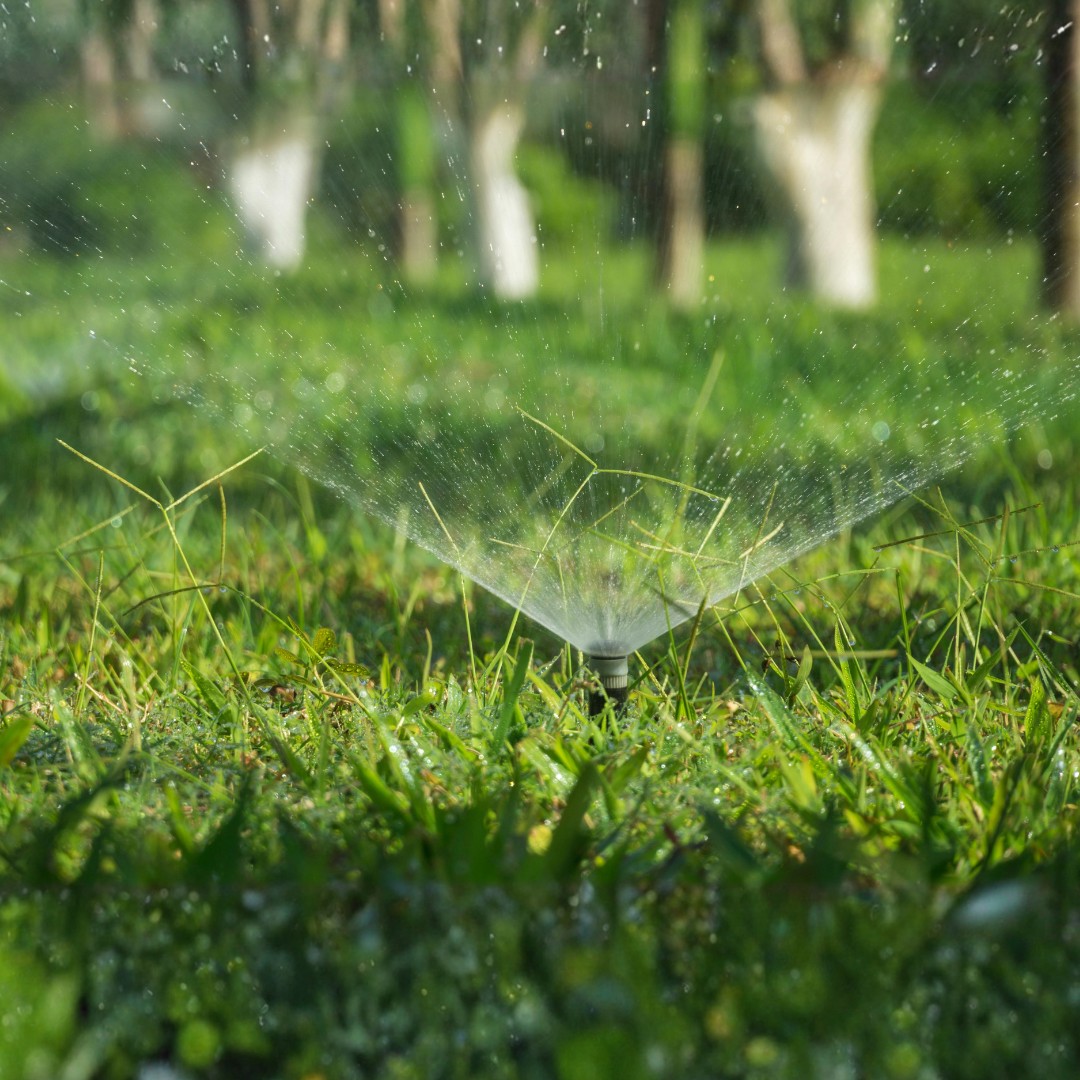
1) Water smart during summer heat
- Water early in the day to reduce waste.
- Aim for deeper watering instead of frequent shallow sprinkling.
- Watch for drought stress signs and water before turf is severely stressed.
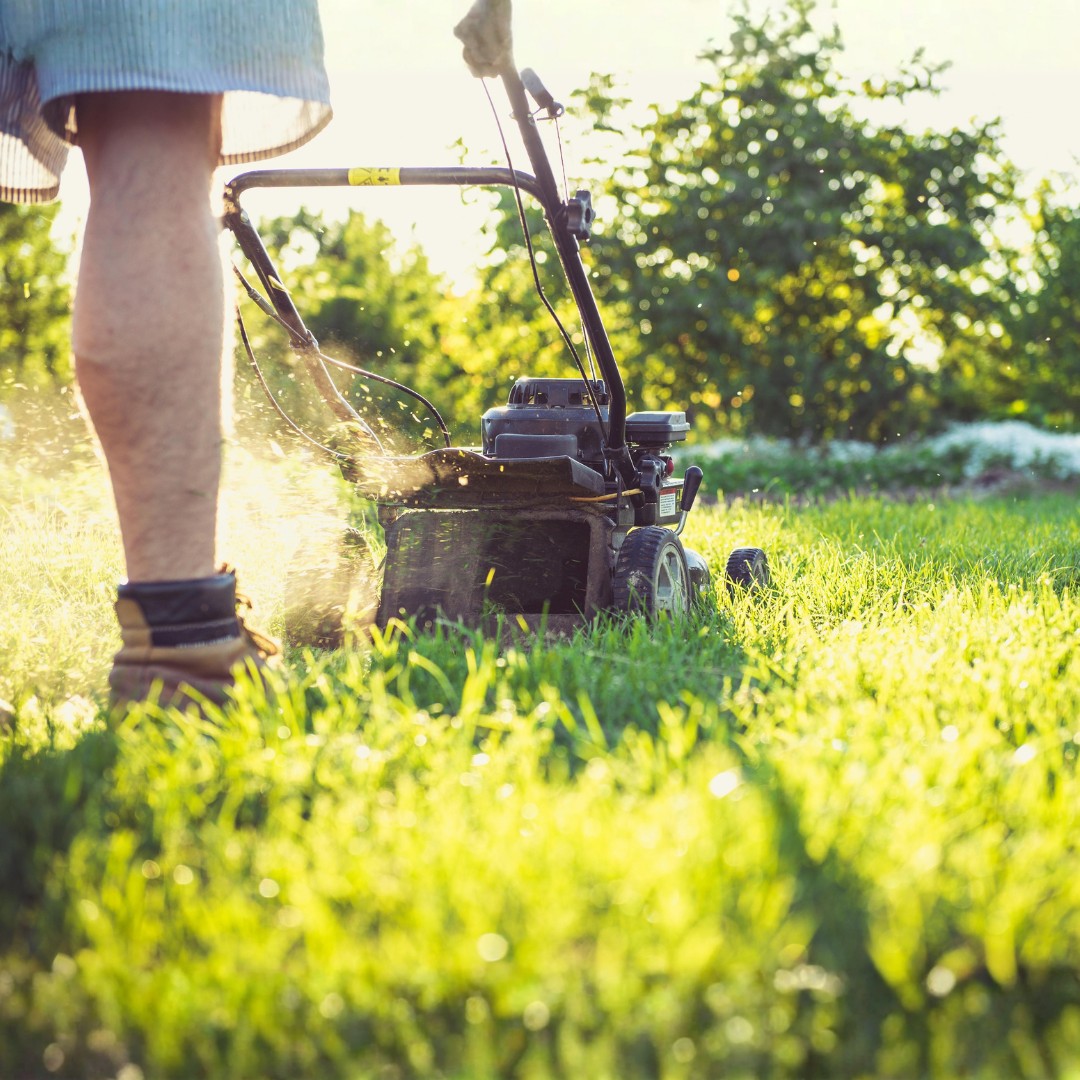
2) Mow Like You Want Roots
- Begin mowing when grass is about 50% higher than the desired height.
- Follow the “one-third rule.”
- Mow when grass is dry to help reduce clumping and disease spread.
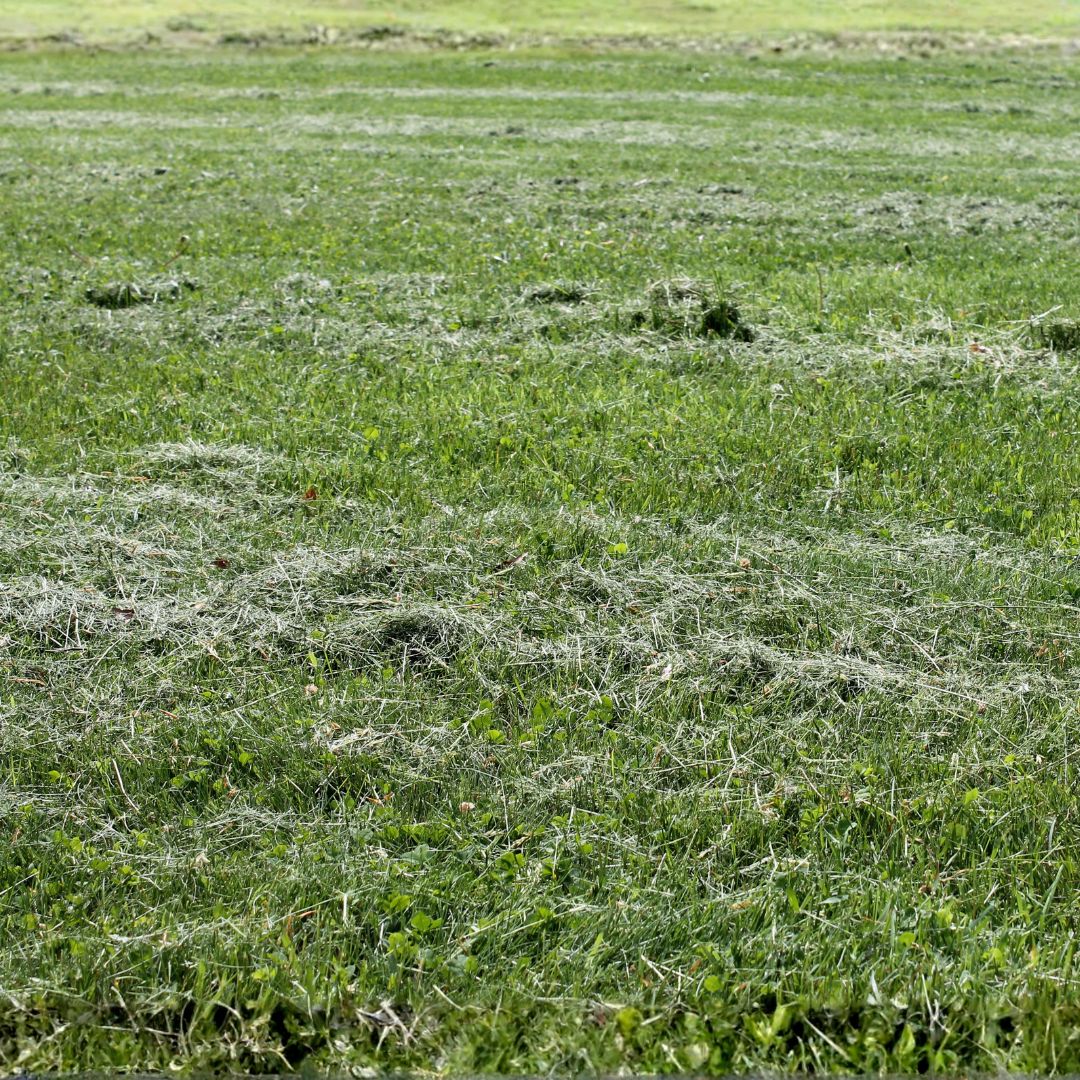
3) Leave Clippings (Most of the Time)
- When you mow regularly, clippings break down quickly and return nutrients to the lawn (“grasscycling”).
4) Keep Tree Roots Cooler
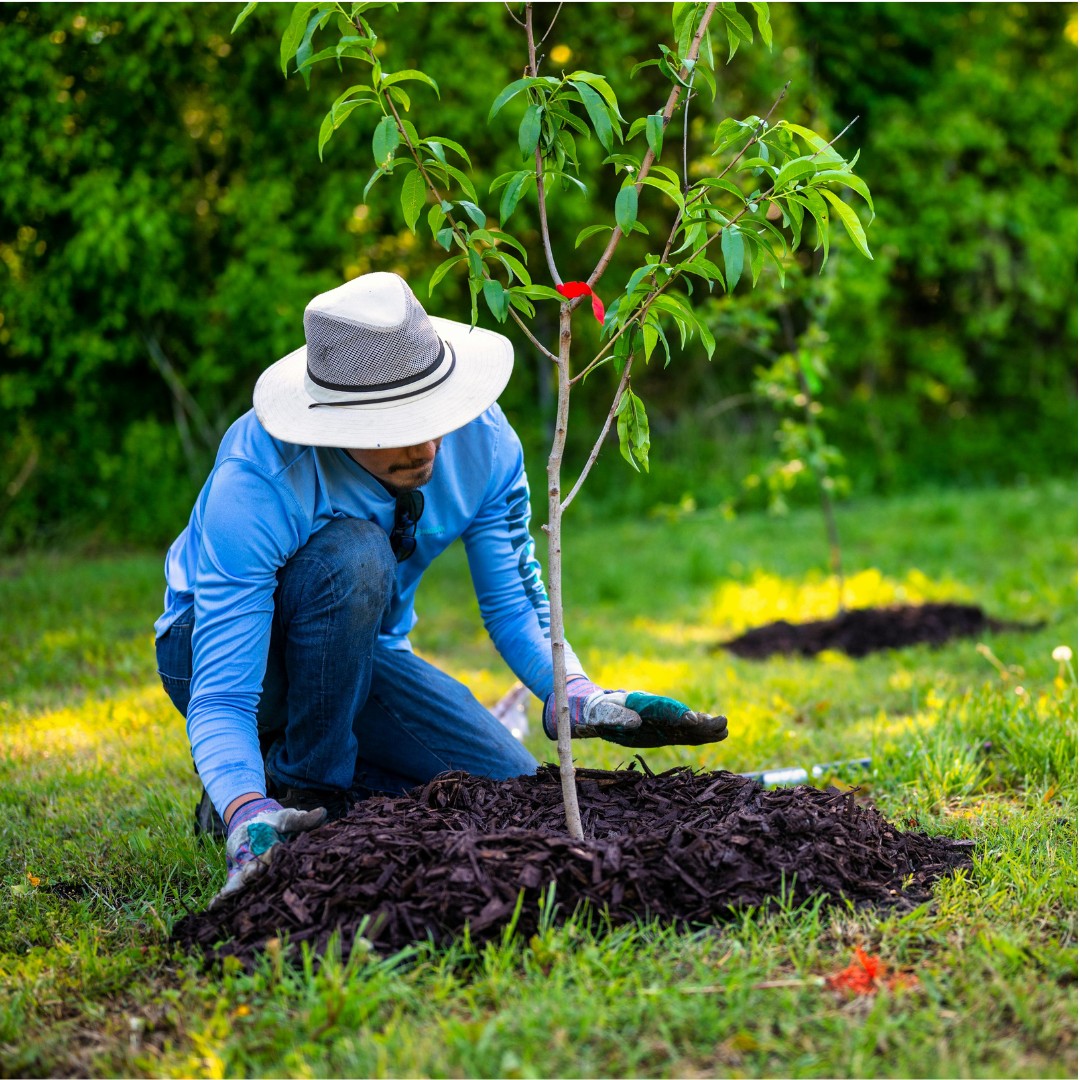
- Mulch helps conserve moisture and moderates soil temperature swings.
- Keep mulch off the trunk and widen the mulch zone as the tree matures.
5) Don’t “Fix” Summer Stress with Heavy Pruning
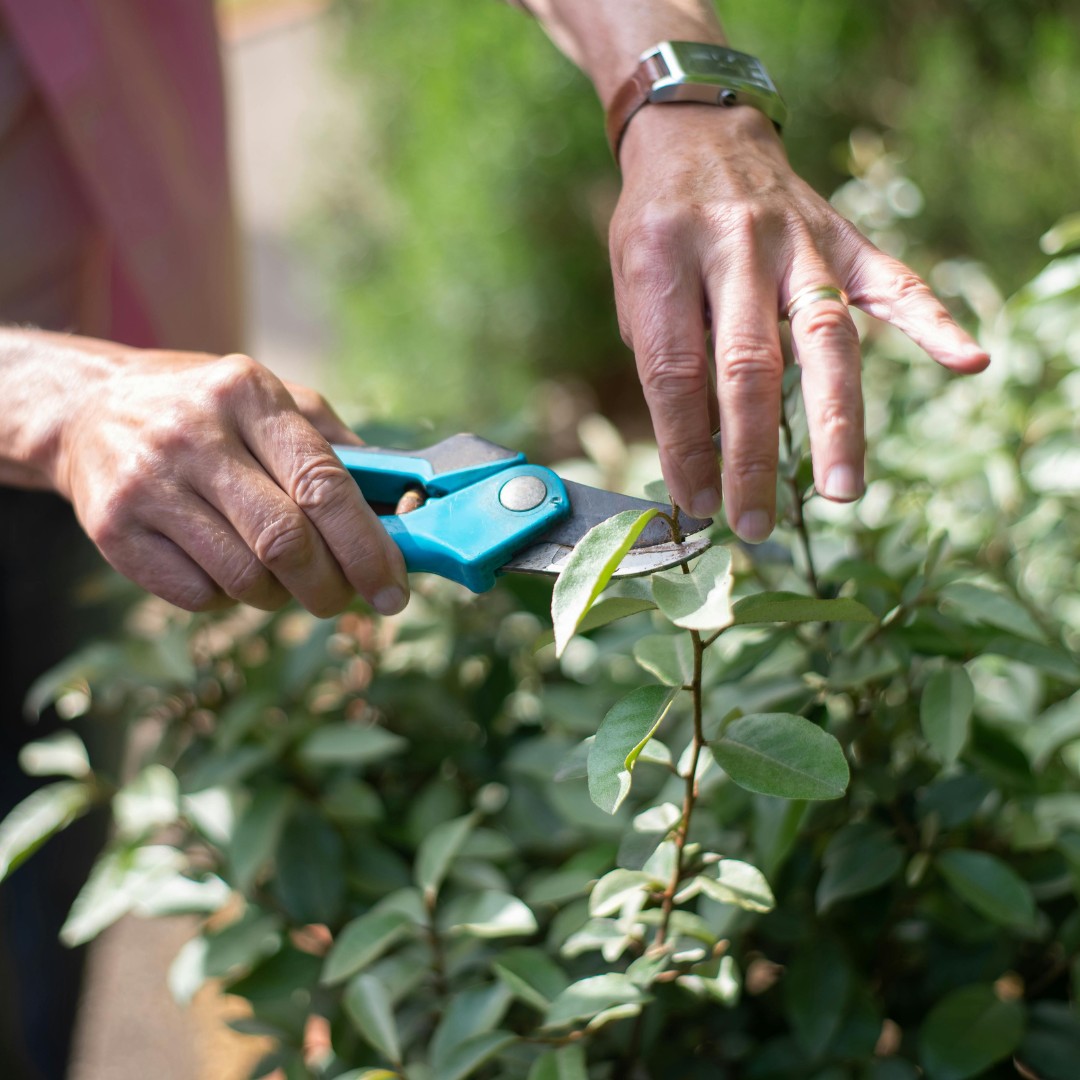
- If a tree has dead or hazardous limbs, address those. But avoid aggressive pruning just to “thin it out” unless you have a specific, expert reason.
When to Call a Pro
- You have dead limbs over a roof, driveway, or sidewalk
- You see mushrooms, cavities, major cracks, or sudden canopy thinning
- You suspect pests or disease and want the right treatment plan
- Storm damage left broken or hanging limbs
What to Expect When Working with Vista Urban and Rural Landscapes
If your summer concerns involve trees, we can help you stay ahead of the problems that get expensive when ignored.
Our website lists services including tree trimming and pruning, tree risk assessment, disease and insect control, cabling and bracing, tree planting, and emergency tree service (24/7). We also list Plant Health Care services including soil analysis and amendments, deep root fertilization, tree injections, and targeted insect and disease management with an IPM approach.
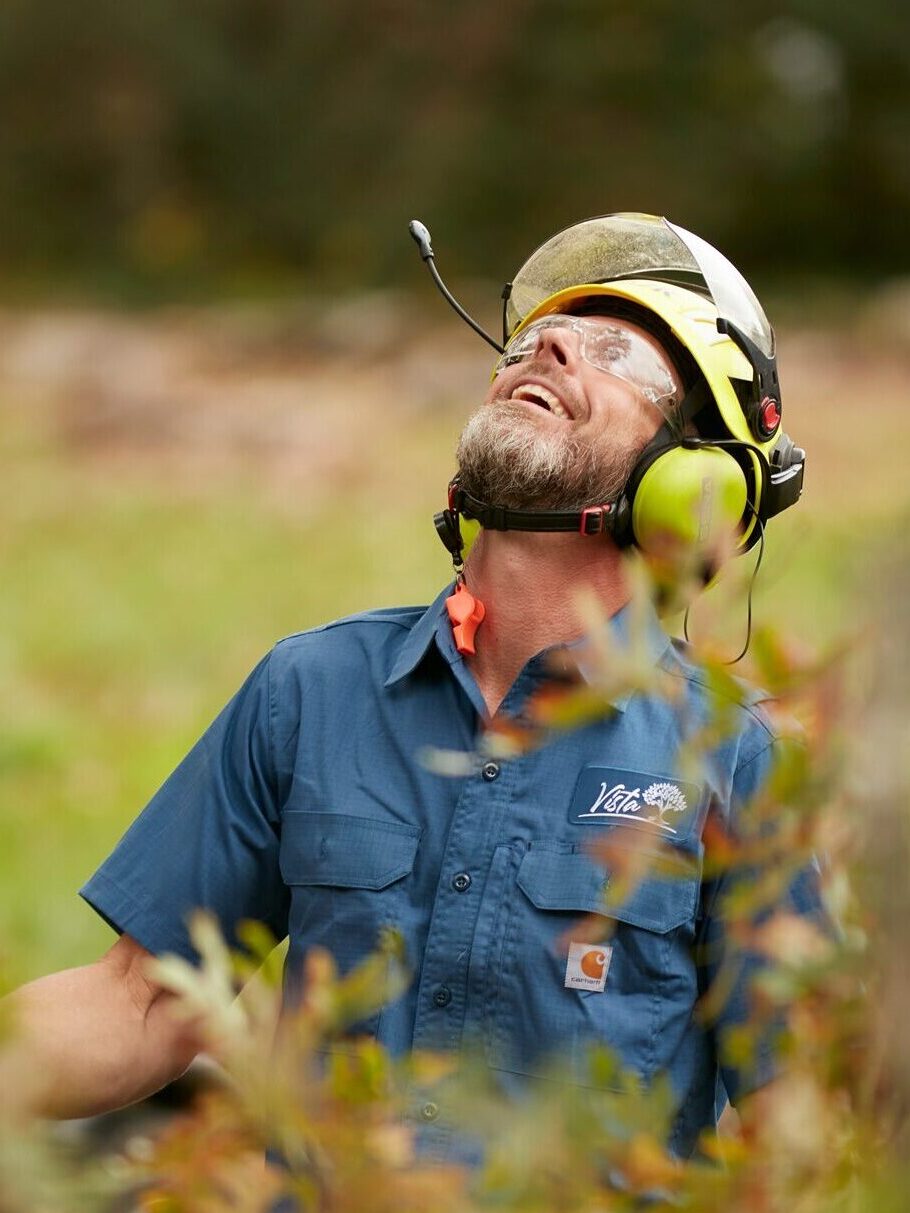
We’re fully insured, estimates are free, and our team includes ISA Certified Arborists.
Other Commonly Asked Questions
How often should I water my lawn in summer?
It depends, but NC State guidance often emphasizes watering deeply when needed rather than frequent light watering.
Is mowing short better in summer?
Scalping increases stress. Following the one-third rule helps lawns handle heat.
Should I mow wet grass?
It’s not recommended. It can clump clippings and increase disease spread.
Does mulch really help trees in heat?
Yes. Mulch helps conserve moisture and moderates soil temperature.
When should I worry about my tree in summer?
Sudden decline, deadwood over targets, and signs of decay are worth a professional evaluation.


Request A Free Quote
If you are in need of a particular service line or if you are not sure exactly what you need but have an idea of what you want to achieve, give us a call or fill out our form. We can set up a time and date to meet and discuss your property and its possibilities.