
April 8, 2026
/
The Overlooked Side of Commercial Property Maintenance
Commercial property maintenance around the perimeter is rarely urgent—until it is.
It’s the part of the property most people don’t see every day, which makes it easy to postpone. But the perimeter is also where expensive, avoidable problems build quietly: fence sections under pressure from brush, gates that don’t swing cleanly, saplings establishing in the wrong place, and trees growing into “future trouble.”
There’s also the reality that property managers deal with: if the fence line feels easy to climb, easy to hide near, or easy to breach, tenants notice that—even if they can’t quite put it into words.
A good perimeter plan doesn’t have to be extreme. It just has to be consistent.
What’s Happening and Why It Matters
Fence lines and perimeters attract growth because they’re often left as “the edge.” Brush thickens, vines tangle, and trees grow outward and downward. Then a windy day turns a rubbing limb into a bent fence panel—or a storm turns a weak branch into a fence repair.
Perimeter growth can also create “unintended access”: branches that act like steps, vegetation that provides cover, and cluttered corners where it’s harder to see what’s happening on the other side.No one can promise perimeter work prevents crime. But it can reduce easy opportunities and improve visibility—two things that generally support safer site management.
What to Do Next (Step-by-Step)
A strong commercial property maintenance plan usually includes three layers along the perimeter: clearance, visibility, and long-term tree decisions.
1) Clearance: keep growth off the fence line
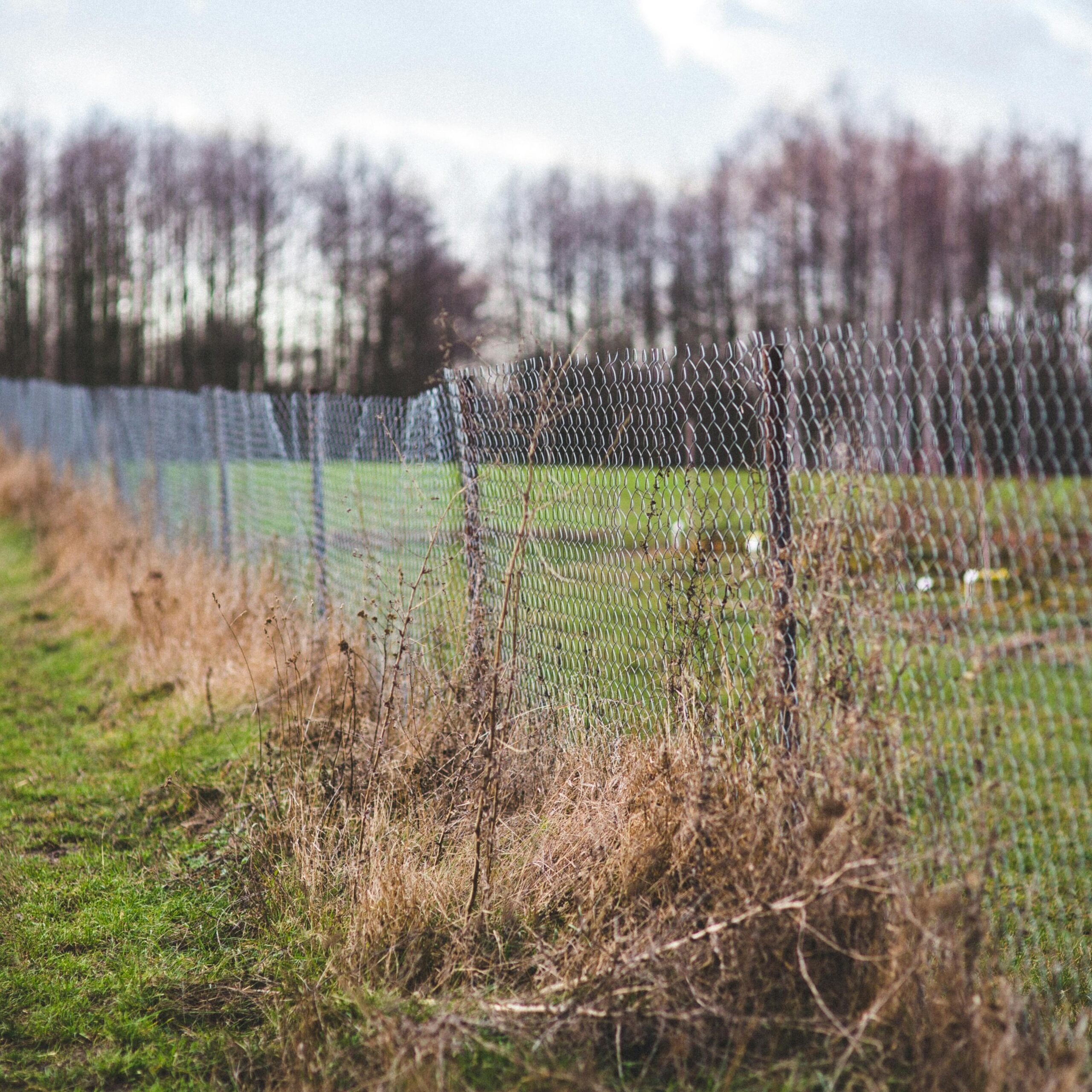
Start with what’s touching the fence, leaning on it, or growing through it. If brush and vines are pulling on fencing, it’s only going to get heavier and harder to remove later.

2) Visibility: make the fence line easy to inspect
The goal isn’t a barren strip. It’s a perimeter you can walk and inspect without fighting through growth. When you can see the fence line clearly, you can spot damage early—and you can address problems before they turn into replacements.
3) Tree decisions: prune, remove, or plan
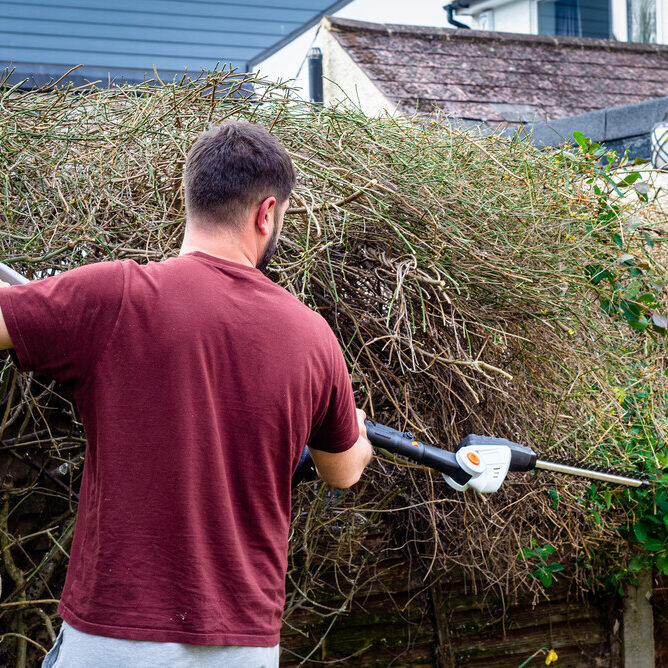
Some perimeter trees just need clearance pruning. Others are the kind that will always “want” to be over the fence, and you’ll be paying for that forever unless you make a smarter long-term decision.
When to Call a Pro for Commercial Property Maintenance
- When brush and small trees have thickened into a real clearing job.
- When limbs are overhanging the fence line or rubbing fencing.
- When you want a plan that balances visibility, tree health, and long-term maintenance costs.
- When you’re preparing for a fence project and need access opened for construction.
What to Expect When Working with Vista Urban and Rural Landscapes
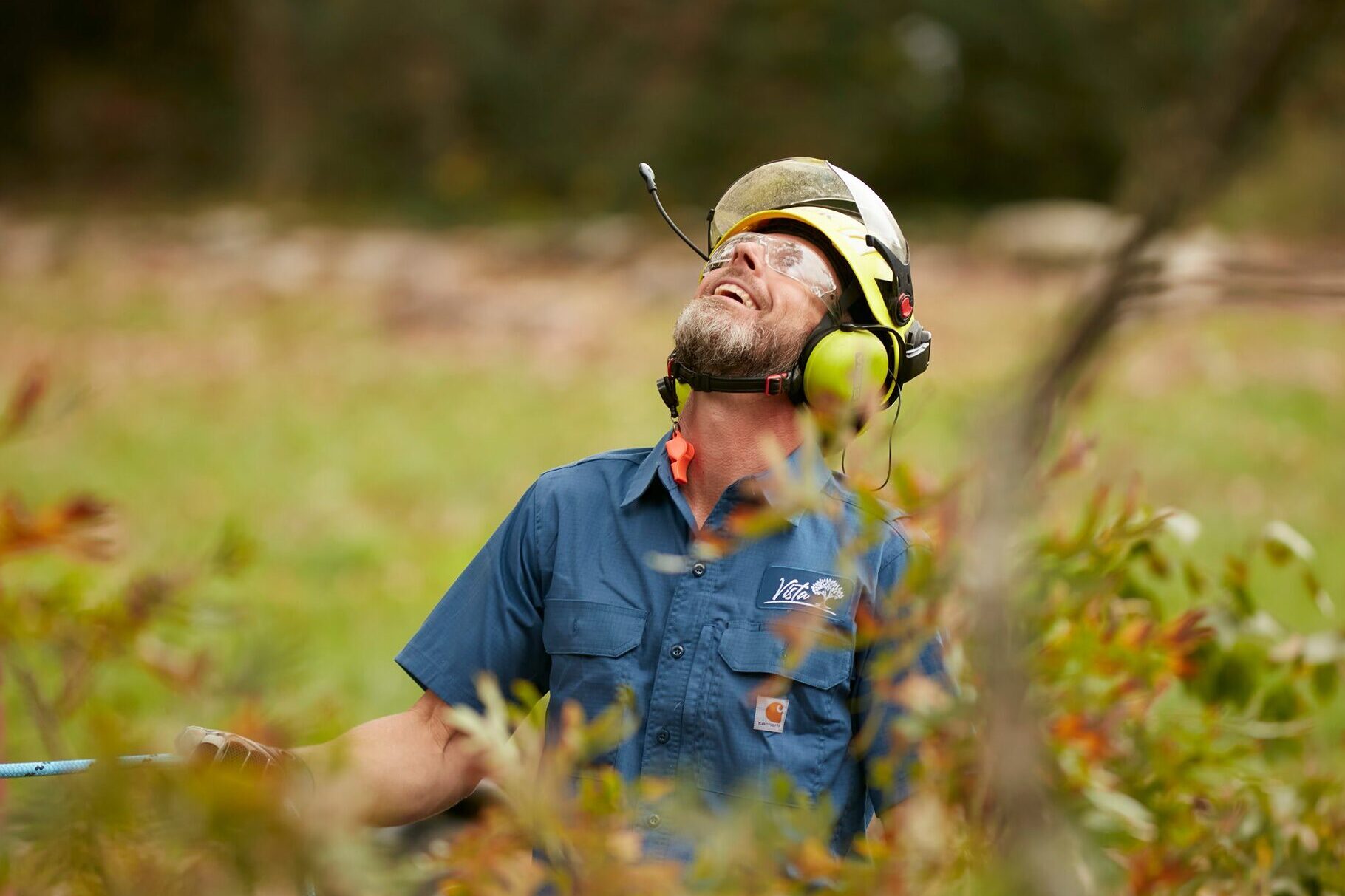
Commercial tree services can include pruning for clearance, tree removal, and tree risk assessments with mitigation recommendations—starting with certified arborist guidance and a clear plan for the property.
Commercial grounds maintenance may also include managing brush, trees, and vegetation along fence lines and property edges so the site remains visible, accessible, and easier to maintain. Work begins with on-site planning and clearly defined scope, with free estimates available.

Other Commonly Asked Questions
Do we have to clear everything to make it “safer”?
No. The goal is clearance and visibility, not a bare property line.
Can pruning reduce fence pressure without removing trees?
Often, yes—especially when the goal is clearance.
Can you help prep for fencing work?
Yes—land clearing can open access for fencing, utilities, or future work.

Request A Free Quote
If you are in need of a particular service line or if you are not sure exactly what you need but have an idea of what you want to achieve, give us a call or fill out our form. We can set up a time and date to meet and discuss your property and its possibilities.